
Skin Surgery IN DUBAI
- Home
- Skin Surgery
TREAT SCARS & WOUNDS WITH SCAR REVISION OR SKIN GRAFTING SURGERY IN DUBAI
Do you have scars or wounds that haven’t healed properly and look unsightly? Or you have skin lesions or skin tumors? Or are affected by skin cancer? In all such cases, a scar revision/ removal surgery, skin grafting surgery, or skin cancer surgery can help correct the condition.
The field of plastic surgery typically involves aesthetic and reconstructive surgery too. As such, a plastic surgeon is also trained as a reconstructive surgeon and is best suited to perform such surgeries.
At our state-of-the-art plastic surgery clinic in Dubai, our experienced plastic, aesthetic and reconstructive surgeons use ultra-modern equipment and techniques to perform various skin surgeries with minimal scarring and quick recovery.
SKIN SURGERY FACTS AT A GLANCE
Procedure Type
Surgical
Anesthesia
Local Anesthesia/ Sedation/ General Anesthesia
Duration
Varies as per case
Recovery Period
Varies as per case
WHY CHOOSE HASAN SURGERY & DR. HASAN ALI FOR YOUR SKIN SURGERY IN DUBAI?
- Dr. Hasan Ali is among the most experienced plastic, aesthetic and reconstructive surgeons and is counted among the leading plastic surgeons in Dubai. He has an unparalleled body of work for reconstructive surgeries, including various skin surgeries. The results obtained by his clients and their satisfaction levels are second to none.
- Scar removal/ revision surgeries, skin grafting, skin cancer surgeries – these are all various aesthetic and reconstructive surgeries. Considering this, an expert aesthetic and reconstructive surgeon is likely to give the best results for your skin surgery. And in that respect, Dr. Hasan Ali is highly accomplished. He has been performing these procedures for over 15 years and is considered highly skilled in this. He is also one of the most professional and discreet plastic surgeons around, who values your privacy, confidentiality, and safety like none other.
- Dr. Hasan is known for his exceptional skills as a plastic surgeon. He is that rare kind of plastic surgeon who is widely respected and trusted by his patients and fellow doctors alike. He has performed 10,000+ surgeries with outstanding results.
- Dr. Hasan’s clinic – Hasan Surgery – is located in Dubai, UAE in the prestigious Dubai Healthcare City (DHCC). True to Dr. Hasan’s desire for excellence, Hasan Surgery is a highly modern, cosmetic surgery clinic in Dubai. It is set up as an Ambulatory daycare surgical facility.
- Hasan Surgery is an AAAASF-accredited plastic surgery clinic in Dubai since 2016 – the global gold standard for accreditation of outpatient surgical facilities. The accreditation acknowledges the clinic’s high standards and latest technology and its focus on patient safety.
- Hasan Surgery is a plastic surgery clinic committed to the highest standards of quality and patient safety.
- Because of his high standing as one of the top plastic surgeon in Dubai, Dr. Hasan Ali is also a renowned trainer of plastic surgeons, surveyor, and examiner.
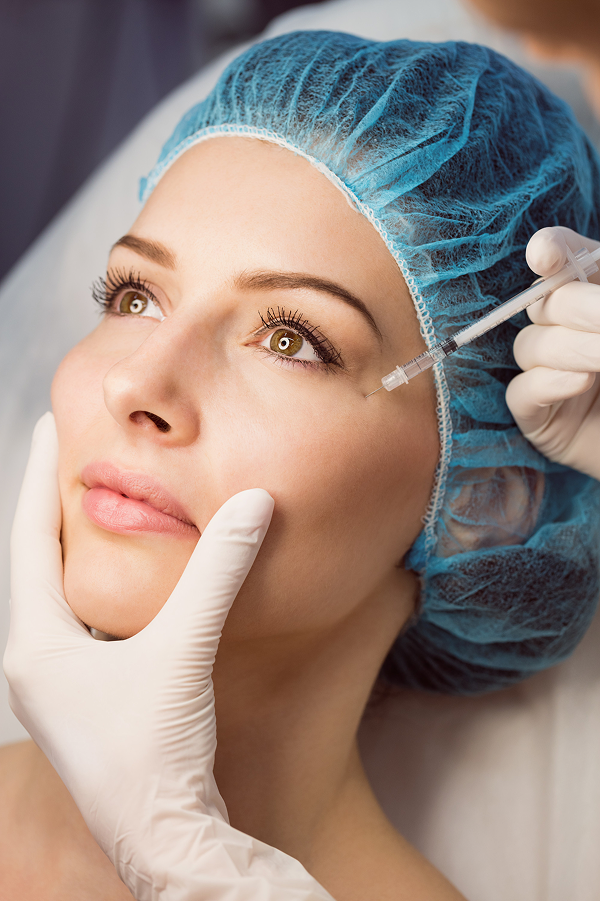
Skin surgery in Dubai BEFORE / AFTER GALLERY
As per Dubai/ UAE regulations, we are not permitted to show images without written patient consent. The below before/after images are with patient consent. For this procedure, we have a vast collection of before/after images, but those have not been consented to by our patients for public display. We would be delighted to show you our results during your initial consultation. We encourage you to ask our surgeons for the same during the consultation.


RESTORE HEALTHY, CONFIDENT SKIN
Skin lumps, cysts, moles, lipomas, and other skin lesions can sometimes cause discomfort, affect your appearance, or require medical evaluation. Skin surgery is performed to safely remove these conditions while aiming for the best possible cosmetic outcome and preserving the natural appearance of your skin.
At Hasan Surgery, every treatment is tailored to your individual needs. Dr. Hasan Ali carefully evaluates each condition and recommends the most appropriate surgical approach, ensuring your safety, comfort, and the best possible results.
✓ Safe removal of skin lumps, cysts, moles, and other lesions
✓ Personalized treatment based on your condition
✓ Focus on minimal scarring and natural-looking results
✓ Comprehensive care before and after your procedure
FAQ
SKIN SURGERY IN DUBAI FAQs
Certain diseases, injuries and surgeries can result in prominent scarring.
Scar revision surgery seeks to minimize the scar to make it less conspicuous It is performed for aesthetic reasons, to restore function to a body part that is restricted due to the scar, or to help with an itchy scar.
It is essential to note that while scar revision surgery is often referred to as scar removal surgery, it does not completely erase the scar. Rather, it reduces its impact or appearance.
Though most scars usually fade over time, but sometimes they may remain prominent, which, besides looking unsightly, may also affect the function of the body part, or be uncomfortable and itchy. To help improve/ minimize the appearance of scars, there are multiple treatment options. The choice of treatment option will be made by your plastic surgeon based on your specific case. Factors determining this include what type of scar you have – minor discolorations, hypertrophic scars, keloids, or contractures; your age; and the size, depth, and location of the scar. Treatment options include:
Topical treatments – silicone gel, massage treatment, topical agents
Surface or minimally-invasive treatments – laser peeling, radiation, chemical peeling, steroid injections, cryotherapy, dermabrasion, filler injections
Scar Revision Surgery – if non-surgical methods do not work, surgical revision of scar involving advanced wound closure techniques may be the only alternative
Scar Revision surgery may be performed under local, IV sedation, or general anesthesia depending on your specific case.
Skin grafting is a useful way to help in wound healing, especially in areas where there is skin loss as a result of a disease, injuries such as burns, or surgical removal of tumors. Certain wounds may be too difficult to heal without involving any reconstructive techniques, and that’s where skin grafting surgery comes in.
Skin graft surgery is done by taking a piece of skin from one area of the body (donor site) to bring back skin coverage in other areas (recipient site). Skin grafting helps heal the wounds that will not heal sufficiently without such surgical intervention. Skin grafts are of great use in situations where there are enough subcutaneous tissues to give support and blood supply for the skin graft.
Skin grafts are classified according to the thickness of the skin to be grafted from one part to another area of the body.
One type of skin graft is a “split thickness” skin graft, which does not involve the entire skin thickness – only the layers of skin closest to the surface are used from the donor site. A larger body area is used in this type of skin graft and the donor site can heal on its own.
Another type is the “full thickness” skin graft, which involves the full thickness of the skin and deeper tissues. This type of skin graft is often used for specific wound coverage applications where thicker skin is required. In full thickness graft, the donor area is limited in size since this area cannot be used more than once. All layers of skin from the donor site are used for this type of skin graft surgery.
A third type is the “composite” skin graft, which involves removing all layers of skin, fat, and cartilage too (if needed) from the donor site and grafting it to the recipient site. This type of skin grafting surgery provides the most support for the skin being repaired.
Skin Graft surgery may be performed under local, IV sedation, or general anesthesia depending on your specific case, and also based on which type of skin graft surgery is to be performed – i.e. split thickness, full thickness, or composite.
While Skin Graft surgery is used for treating deeper, more serious cases of skin loss, a Skin Flap surgery is used to treat less serious skin loss. Skin Flap surgery usually involves partial detachment of healthy skin and tissue to cover a nearby wound. Usually, the skin flap remains connected on one end to the underlying blood vessels at the original site. However, in some cases, the flap is completely detached and moved to a new site and the blood vessels are reconnected via microsurgery.
There are various techniques of Skin Flap surgery which depend on donor flap location and the structures that need repairs. These include:
Local Flap – This is the most common type of flap surgery, which is used to cover skin loss in areas close to the donor areas. The skin remains attached at one end to the original blood vessels and at the other end, the flap covers the area of skin loss.
Regional Flap – This type of skin flap surgery uses a section of tissue that is attached to a specific blood vessel.
Bone/ Soft Tissue Flap – This type of skin flap surgery uses skin and underlying bone that are moved to a new location.
Muscle and Skin Flap – This type of skin flap surgery uses skin and underlying muscle that are moved to a new location. It is used for covering larger areas with need for increased blood supply – for example, to rebuild breasts after a mastectomy.
Free Flap – The flap is completely detached and moved to a new site and the blood vessels are reconnected via microsurgery.
Skin Flap surgery may be performed under local, IV sedation, or general anesthesia depending on your specific case, and also based on which type of skin flap surgery is to be performed – i.e. local, regional, free flap, or other.
A plastic and reconstructive surgeon often performs surgical excision/ removal of skin cancer. Surgery is a common treatment option for skin cancer since the cancer does not go away spontaneously.
Surgical excision of skin lesions is used to remove malignant (cancerous) moles, lesions, or skin tumors. It can be used to treat melanoma or non-melanoma skin cancers – i.e. basal and squamous cell carcinomas.
There are various techniques to remove skin cancer, including Mohs surgery and various other reconstructive surgeries. Once the skin cancer/ lesion/ tumor has been removed, there will be an open wound that requires closure and this may involve different surgeries for the reconstruction of the skin.
Reconstructive surgeries include flap surgery, skin grafting or a more complex reconstructive procedure, which depends on the severity of the open wound left behind after the removal of the skin cancer. The plastic surgeon will determine which surgical procedure is suitable for the closure of the wound and provide a result that is functional and least disfiguring. At times, you may need more than one session to achieve desired results.
Skin Flap surgery may be performed under local, IV sedation, or general anesthesia depending on your specific case, and also based on which type of skin surgery is to be performed.
Skin surgery is safe with a skilled plastic, aesthetic and reconstructive surgeon, but the following complications may be seen:
- Scarring
- Bleeding/ swelling
- Hematoma
- Infection
- Temporary or permanent loss of sensation in treated areas
- Damage to underlying blood vessels, nerves, cartilage, bone, or muscle
- Wound dehiscence or delayed wound healing
- Need for revision surgery
- Loss of skin graft
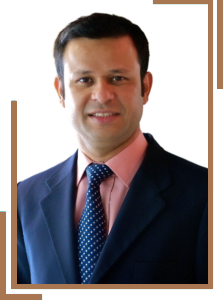
About
Dr. Hasan Ali
Consultant Plastic, Reconstructive & Aesthetic Surgeon
Founder & Medical Director — Hasan Surgery, Dubai Healthcare City
MBBS · MSc Aesthetic Plastic Surgery (Univ. of London) · MRCS (UK) · EBOPRAS (France) · FICS (USA)
20+
Years Experience
10,000+
Contouring Surgeries
2007
VASER Pioneer
Dr. Hasan Ali is recognised as one of the leading body-contouring and VASER liposuction surgeons in Dubai and the UAE, specialising in body lift surgery, 360° contouring, and high-definition body sculpting. He has trained dozens of plastic surgeons in advanced VASER techniques, serves as an international surveyor for AAAASF, and holds active surgical licences across the UK, Ireland, UAE, Saudi Arabia, and Pakistan. His research is indexed on Google Scholar.
Dr. Hasan Ali is an esteemed member of several prestigious international organisations, including the International Society of Aesthetic Plastic Surgery (ISAPS), Emirates Plastic Surgery Society (EPSS), American Society of Plastic Surgeons (ASPS), International College of Surgeons (ICS), American Academy of Cosmetic Surgery (AACS), British Association of Plastic, Reconstructive and Aesthetic Surgeons (BAPRAS), Hair Restoration Surgery Professionals (HRSP), and the Royal College of Physicians and Surgeons of Glasgow. These affiliations reflect his commitment to maintaining the highest standards of patient safety, innovation, and excellence in aesthetic and reconstructive surgery.