
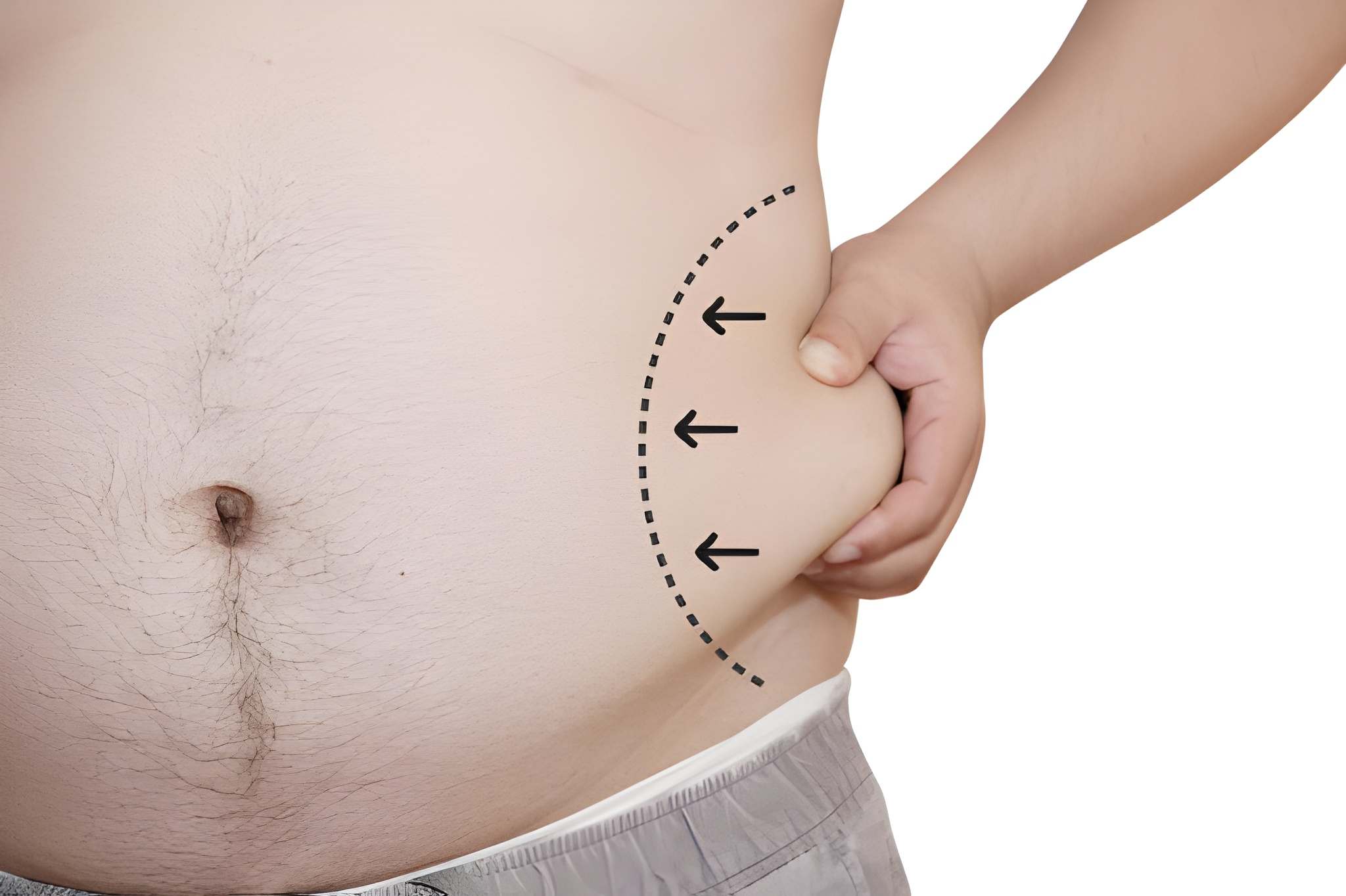
liposuction? It’s a valid concern that investing in a body contouring procedure should lead to long-lasting results.
The short answer is both reassuring and empowering. The fat cells removed during the procedure are permanently gone, but your body still retains the ability to store new fat.
Liposuction effectively sculpts specific body areas. To clarify long-term results, consider what happens to fat cells during treatment and the importance of maintenance.
We must examine the biology of fat cells (adipocytes) in order to properly address the question of whether fat after liposuction returns.

The most important takeaway for patients is that liposuction does not prevent future weight gain.
Your body is a dynamic system, and if you consume more calories than you burn, that energy must be stored as fat. The question then becomes: Can you gain weight after liposuction? Absolutely.
The storage redistribution effect
Since the treated area (e.g., your lower abdomen) now has fewer fat cells, your body must find new places to store excess fat. When weight gain after liposuction occurs, the fat is typically stored in the untreated areas of the body. For example:
This redistribution means the treated area keeps an improved contour, but significant weight gain can still affect overall results and proportions.
If you experience moderate weight gain (up to 10% of your body weight), you will likely notice a general softening of your results; however, the contoured area will still appear better than it would have without liposuction.
However, if you experience significant or substantial weight gain, the new fat accumulation in untreated areas can result in a less aesthetically pleasing shape, potentially causing the treated area to appear disproportionately small compared to other parts of your body.
Therefore, maintaining a stable weight is the key to ensuring fat after liposuction stays away from the targeted zones.
Your long-term results rely on post-operative habits. The procedure permanently eliminates fat cells, yet preserving the sculpted contours requires a commitment to a healthy lifestyle.
By treating liposuction as a motivator and a foundation for a healthier life, you ensure your investment provides enduring satisfaction. The answer to whether fat can return after liposuction ultimately rests in your hands.
Ready to start your body contouring transformation? Take the next step today. Work with our expert team to achieve and maintain your sculpted results. Schedule your consultation with Dr. Hasan Ali today and start your plan for lasting results.
Fat cells removed during the procedure do not return. Significant weight gain can still cause the existing fat cells in the area to expand.
You may regain fat if poor eating or inactivity resumes. Liposuction leaves some fat cells and does not stop new tissue growth in untreated areas.
No. Liposuction is for contouring, not weight loss. It removes localized fat, resulting in only minor weight changes.
for the duration specifically advised by your surgeon.
Yes, you can gain weight. Treated areas have fewer fat cells, so new fat is stored more in untreated body areas, altering proportions.
The results are permanent if you maintain a stable, healthy weight. Fluctuations alter fat distribution.
