
Otoplasty in Dubai
- Home
- Otoplasty
INSTANTLY FIX LARGE, PROTRUDING, ELF EARS WITH AN OTOPLASTY IN DUBAI
Do you have large or protruding ears? Are you conscious about how your ears stick out of the sides of your face? Do you have disproportionately large ears? If you are keen to get rid of such concerns and have your ears frame your face more appealingly, you might consider getting an Otoplasty in Dubai or ear reshaping surgery in Dubai at Hasan Surgery.
Otoplasty, also referred to as cosmetic ear surgery, ear plastic surgery or ear pinning surgery, or pinnaplasty, is a surgery to reduce, reshape, resize, or reposition the ears; or to pin them back if they are sticking out.
At our state-of-the-art plastic surgery clinic in Dubai, our experienced plastic surgeons use ultra-modern equipment and techniques to provide you with naturally appealing results from your Otoplasty/ear surgery that enhance your confidence and self-esteem.
OTOPLASTY IN DUBAI FACTS AT A GLANCE
Procedure Type
Surgical
Anesthesia
Local Anesthesia/ IV Sedation; General Anesthesia for kids
Duration
1-2 Hours
Recovery Period
7 Days
WHY CHOOSE HASAN SURGERY & DR. HASAN ALI FOR YOUR OTOPLASTY IN DUBAI?
- Dr. Hasan Ali is among the most experienced plastic surgeons and is counted among the leading plastic surgeons in Dubai. He has an unparalleled body of work for facial contouring surgeries, including Otoplasty or ear reshaping surgery in Dubai. The results obtained by his clients and their satisfaction levels are second to none.
- An Otoplasty in Dubai or ear reshaping surgery at Hasan Surgery is a facial contouring surgery. Great, natural-looking, and long-lasting results from such surgeries require a plastic surgeon who has an acute grasp of facial anatomy and also prioritizes your safety. A skilled Otoplasty surgeon is a facial contouring expert with extensive experience to perform ear surgery successfully without any negative impact. And in that respect, Dr. Hasan Ali is a highly accomplished surgeon for Otoplasty in Dubai or ear reshaping surgery.
- Dr. Hasan is known for his exceptional skills as a plastic surgeon. He is that rare kind of plastic surgeon who is widely respected and trusted by his patients and fellow doctors alike. He has performed 5,000+ surgeries with outstanding results.
- Dr. Hasan’s clinic – Hasan Surgery – is located in Dubai, UAE in the prestigious Dubai Healthcare City (DHCC). True to Dr. Hasan’s desire for excellence, Hasan Surgery is a highly modern, cosmetic surgery clinic in Dubai. It is set up as an Ambulatory daycare surgical facility.
- Hasan Surgery is an AAAASF-accredited plastic surgery clinic in Dubai since 2016 – the global gold standard for accreditation of outpatient surgical facilities. The accreditation acknowledges the clinic’s high standards and latest technology and its focus on patient safety.
- Hasan Surgery is a plastic surgery clinic committed to the highest standards of quality and patient safety.
- Because of his high standing as one of the top plastic surgeon in Dubai, Dr. Hasan Ali is also a renowned trainer of plastic surgeons, surveyor, and examiner.

BEFORE / AFTER GALLERY - Ear Plastic Surgery in Dubai
As per Dubai/ UAE regulations, we are not permitted to show images without written patient consent. The below before/after images are with patient consent. For this procedure, we have a vast collection of before/after images, but those have not been consented to by our patients for public display. We would be delighted to show you our results during your initial consultation. We encourage you to ask our surgeons for the same during the consultation.


ACHIEVE A MORE BALANCED EAR SHAPE
Prominent or misshapen ears can affect facial balance and self-confidence at any age. Otoplasty (ear reshaping surgery) is designed to improve the size, shape, or position of the ears, creating a more natural and proportionate appearance while maintaining harmony with your facial features.
At Hasan Surgery, every otoplasty procedure is tailored to your unique anatomy and aesthetic goals. Dr. Hasan Ali uses advanced surgical techniques to deliver natural-looking results while prioritizing your safety, comfort, and a smooth recovery.
✓ Reshapes or repositions prominent ears
✓ Creates a balanced and natural appearance
✓ Personalized treatment plan based on your facial features
✓ Comprehensive care before, during, and after surgery
FAQ
OTOPLASTY IN DUBAI FAQs
Otoplasty is a safe and effective cosmetic surgery that is aimed at redefining the shape, size, proportion, and position of your ears. It corrects large ears (macrotia) or protruding ears (also called “bat” ears or “elf” ears that make people (especially kids) the butt of jokes and leave them self-conscious. The ear correction is achieved by removing excess skin and cartilage from the back of the ears.
The shape of our ears is largely determined at birth itself. Once ears are fully formed, their shape and size typically remains the same throughout our life. However, in some cases, an ear deformity may be due to an injury or congenital factors. Prominently enlarged ears can cause deep distress for both children and adults and can be corrected via Otoplasty. The pinna or the outer ear is modified to match with the rest of your facial contours, providing symmetry to your face.
Otoplasty in Dubai or ear reshaping surgery at Hasan Surgery is done either under local anesthesia or IV sedation. For kids, it is done under general anesthesia. During the ear reshaping surgery in Dubai, your plastic surgeon will mark your ears and make incisions on the part/s from where excess skin and cartilage is to be extracted.
The incision is made behind the ear or on the front (inside) of the ear, depending on the type of correction needed. For protruding ears, excess skin and cartilage is removed and the incisions closed in a way that the ears are close to the ears as is natural (ear pinning surgery). For large ears but without concerns about protrusion, an earlobe reduction may also be involved along with trimming of the excess skin and cartilage to reduce the ear size (ear reduction surgery). If there is a concern of large ears and protrusion, ear pinning and ear reduction may both be needed. If you are missing ear folds that people usually have, that can also be fixed during the Otoplasty.
Otoplasty may be performed on one or both ears.
Otoplasty is absolutely safe for kids with a good plastic surgeon and clinic. It is recommended for kids to have an Otoplasty as early as possible after the age of 5 years. By that age, the ear cartilage has sufficiently developed for the Otoplasty to be performed.
There is also a non-surgical option of ear splinting for infants born with prominent ears. Ear splinting can be done shortly after birth – up to the age of 2-3 weeks.
Otoplasty is indicated for kids above 5 years of age and adults who have excessively large ears (macrotia) or protruding ears that affects their facial symmetry and self-esteem.
Otoplasty is not meant for hearing improvement.
The ideal candidate for otoplasty in Dubai should be a generally healthy person. He or she should not have any medical condition that could interfere with the healing of the wound.
Prior to ensuring your candidature for the Otoplasty in Dubai at Hasan Surgery, your surgeon will review your medical history and past and present health condition. You will have to discuss the medication you are on, including any herbal supplements.
As a possible Otoplasty candidate, you must have realistic expectations about your resultant appearance after the procedure. You must stop smoking prior to surgery and after the ear plastic surgery, as tobacco can slow down the blood flow to the skin and thereby slow down the healing process.
The surgery will show desirable results only on people who are generally healthy and do not have any previous history of having cardiac issues, pulmonary emboli, excessive bleeding, seizures, immunodeficiency disorders, or deep vein thrombosis. People with such conditions are discouraged from undergoing this procedure due to a higher risk of surgical complications.
People who are on certain anti-inflammatory and anticoagulant drugs are also discouraged from undergoing an ear pinning or ear reduction surgery.
Depending on the surgical technique used for the ear pinning surgery or pinnaplasty, Otoplasty is categorized into:
Cartilage Sparing Techniques: As the name suggests, the ear cartilage is not impacted with this technique. Only stitches and sutures are used to achieve the desired results.
Cartilage Scoring Techniques: As indicated, the cartilage is “scored” or cut with this technique. Incisions made in the cartilage are used to adjust the cartilage as needed.
Another classification based on the cosmetic/ functional issue that is corrected is:
Traditional Otoplasty or Pinnaplasty or Ear Pinning Surgery – This is performed to pin back protruding ears, i.e. the pinna, which is the outer section of the ears.
Reconstructive Otoplasty (including Ear Reduction Surgery) – Reconstructive Otoplasty is concerned with correction of congenital ear defects or deformities caused by external trauma. This is performed to reduce the size of very large ears and/or earlobes, a condition known as macrotia.
Besides the above categorization which is based on surgical techniques or procedures, Otoplasty can also be Unilateral Otoplasty – done on a single ear or Bilateral Otoplasty – done on both ears.
The type/ technique of Otoplasty needed for you will be determined by your surgeon taking into consideration your facial anatomy, your facial dimensions, the type and extent of correction needed, and other relevant factors.
Reconstructive Otoplasty seeks to correct severe ear defects which could be the result of trauma or be congenital (from birth), for example:
Cagot Ear – Absence of earlobe Cat’s Ear – Ear edges are folded forward Cauliflower Ear – Cartilage separation and deformity due to repeated injuries Cleft Earlobe – Earlobe indentation Constricted Ear – Partial absence of skin and cartilage in the outer back section of the ear Cosman or Question Mark Ear – Cleft between the helix (outer curve of the ear) and the earlobe, making the ear resemble a question mark Cryptotia – Upper section of ear is merged into the scalp Microtia – Extremely small ears Macrotia – Extremele large ears and/ or earlobes Scroll Ear – Ears are curled forward, resembling a closed scroll Skin Cancer – Malignant skin can be removed and ear than reconstructed Stahl’s Ear Deformity/ Elf Ears – Ears have a pointed edge like those of an elf Wildermuth’s Ear – The helix is reversed, folding towards the scalp instead of away from it
The cost of Otoplasty in Dubai or Ear Reshaping Surgery in Dubai depends on the following factors:
- Skill and experience of the plastic surgeon
- Standard of the clinic/ hospital where the surgery will be performed
- The treatment area/s – outer ear, inner ear, earlobes; one or both ears
- Extent of correction needed – skin/ cartilage
- Whether the procedure is combined with other facial contouring surgeries or procedures
It is advised to get an initial consultation from a specialist plastic surgeon to know the cost applicable to your case and your eligibility for the procedure.
At our clinic in Dubai, Otoplasty is mostly performed under local anesthesia or IV sedation. For kids, the procedure is performed under general anesthesia at an accredited hospital in Dubai.
Most people are able to go back to work within a week.
Otoplasty is a delicate procedure and must be performed only with an experienced plastic surgeon. In the hands of a skilled Otoplasty surgeon, the procedure is safe, but the following complications may be seen:
Infection Pain Asymmetry Scarring Swelling Temporary numbness Hematoma (fluid accumulation under the skin) Contour irregularities Possibility of revision surgery
Most patients experience pain and discomfort after the surgery when anesthesia effects diminish. You will start to feel comfortable after 2-3 days.
Immediately after the Otoplasty, the incision locations will look red, bruised, uneven, swollen, or discolored, and scarring will also be visible. It is normal to feel some loss of sensation in the treated areas after the Otoplasty. This temporary numbness will go away once the part is completely healed.
You will be prescribed antibiotics to avoid infection. During your first week of recovery, you can expect issues with pain and bruising. The pain is managed with prescribed medications and the bruising through cold compresses. You should get plenty of rest during this time.
After the first week of recovery, it is necessary to do a follow-up visit with your plastic surgeon to monitor your progres and to check the incision sites.
Post-surgery, there will be an immediate visible improvement in the shape and appearance of your treated area, though there will be bruising and swelling that may last for 2-4 weeks. The final results from your Otoplasty will typically be visible between 4-6 weeks after the procedure.
Otoplasty results are typically long-lasting. Most people get the benefit of lifelong results. However, injury or illness can change your ear shape in the future.
For best results, strictly follow the care instructions of your plastic surgeon, prior to, and in the aftermath of the surgery.
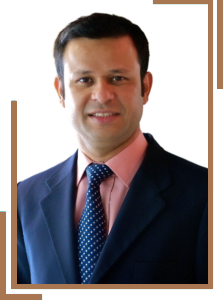
About
Dr. Hasan Ali
Consultant Plastic, Reconstructive & Aesthetic Surgeon
Founder & Medical Director — Hasan Surgery, Dubai Healthcare City
MBBS · MSc Aesthetic Plastic Surgery (Univ. of London) · MRCS (UK) · EBOPRAS (France) · FICS (USA)
20+
Years Experience
10,000+
Contouring Surgeries
2007
VASER Pioneer
Dr. Hasan Ali is recognised as one of the leading body-contouring and VASER liposuction surgeons in Dubai and the UAE, specialising in body lift surgery, 360° contouring, and high-definition body sculpting. He has trained dozens of plastic surgeons in advanced VASER techniques, serves as an international surveyor for AAAASF, and holds active surgical licences across the UK, Ireland, UAE, Saudi Arabia, and Pakistan. His research is indexed on Google Scholar.
Dr. Hasan Ali is an esteemed member of several prestigious international organisations, including the International Society of Aesthetic Plastic Surgery (ISAPS), Emirates Plastic Surgery Society (EPSS), American Society of Plastic Surgeons (ASPS), International College of Surgeons (ICS), American Academy of Cosmetic Surgery (AACS), British Association of Plastic, Reconstructive and Aesthetic Surgeons (BAPRAS), Hair Restoration Surgery Professionals (HRSP), and the Royal College of Physicians and Surgeons of Glasgow. These affiliations reflect his commitment to maintaining the highest standards of patient safety, innovation, and excellence in aesthetic and reconstructive surgery.